
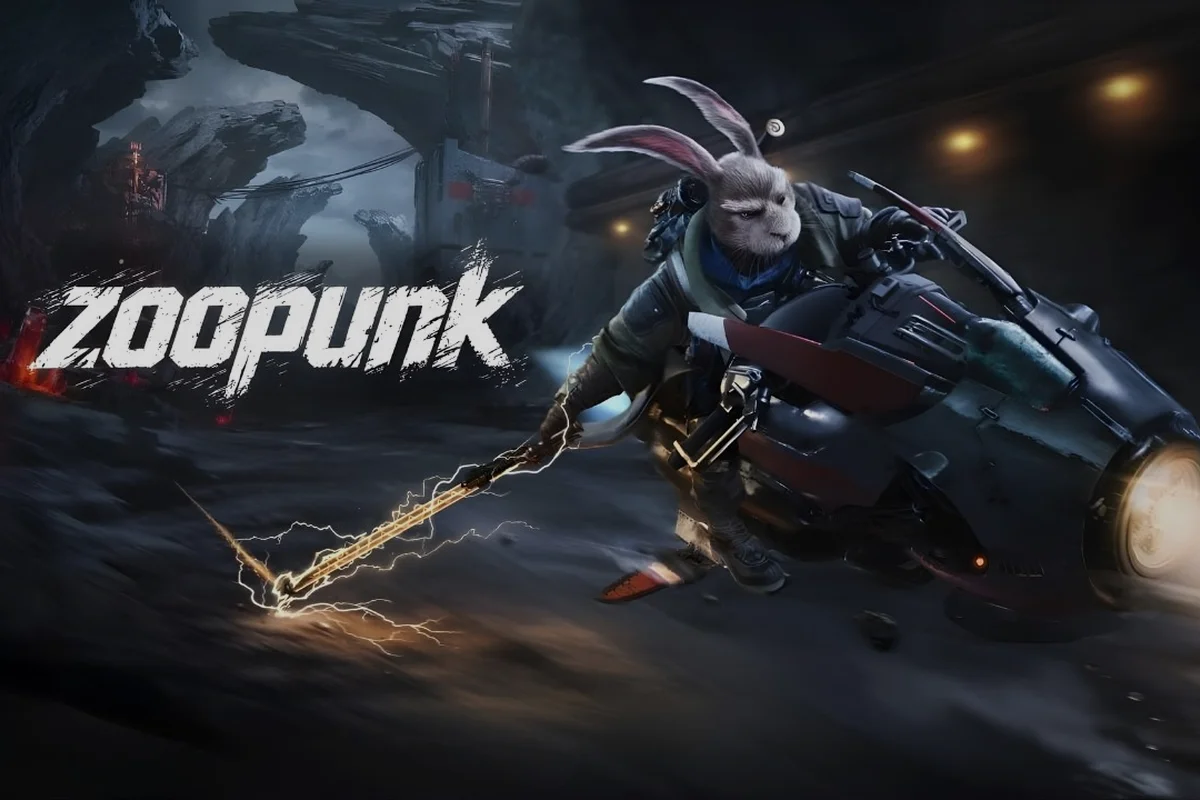
Zoopunk's narrative structure is officially framed as a fable of survival, memory, and awakening told across three movements — and that framing shapes every dialogue beat, flashback, and uprising set piece in the co-op campaign. Understanding the three-movement spine helps players anticipate pacing, catch cause-and-effect callbacks between missions, and decode the dialogue writing style that blends diesel-punk grit with Eastern aesthetic poetry. This article breaks down the survival, memory, and awakening movements, maps them to specific campaign beats, and answers the most common story questions players have before the game launches.
The Three-Movement Spine: Survival, Memory, and Awakening
The official site describes the Zoopunk narrative structure as "a fable of survival, memory, and awakening," and the three-movement promise appears across developer commentary, trailer narration, and the official synopsis. Each movement carries its own emotional register, set-piece pacing, and dialogue style, which is why the co-op campaign feels less like a single hero's journey and more like a communal oral history.
The game divides its escalating crises into discrete narrative beats, and according to the official Zoopunk site, each beat is anchored to a specific civic threat that the ensemble cast must confront through branching dialogue and tactical choice.
Movement 1 — Survival: The Outbreak and the First Resistance
The opening movement grounds the fable in the physical reality of war. According to the official synopsis, the discovery of an ancient mechanism sets the cause-effect chain in motion — progress is rapid, catastrophe follows, and the first resistance cells form in the wreckage. This survival arc is deliberately compressed, because the fable needs to establish stakes before it can afford to slow down for memory.
-
Cause: Discovery of the ancient mechanism and the machines' subsequent awakening
-
Effect: Civilian evacuation, frontline collapse, and the first underground safe houses
-
Emotional register: Tense, reactive, dialogue-heavy with field-radio chatter
-
Pacing: Short missions, high body count, minimal downtime
| Beat | Campaign Moment | Dialogue Tone |
|---|---|---|
| Discovery | Excavation cutscene | Awe mixed with dread |
| Outbreak | City evacuation | Clipped radio orders |
| First cell | Safe house rendezvous | Whispered plans, code names |
| First counter-attack | Sabotage mission | Shouting, overlapping squad calls |
The survival movement deliberately avoids giving any one protagonist a monologue. Squad-based co-op pacing demands that every player character gets screen time, and the writing compensates by foregrounding environment details — collapsing viaducts, rationed water, and the absence of pre-war luxuries. This is also where zoopunk translation and localization notes become visible: the EN script leans on clipped wartime phrasing, while the CN original carries more classical allusions, and the localization team has reportedly worked to preserve both registers rather than flattening the dialogue into a single idiom set.
Movement 2 — Memory: Pre-War Life and the World That Was
Once survival is established, the fable slows down. The second movement is where the zoopunk story earns its emotional weight, because the writers cannot ask players to mourn a world they never saw. Memory sequences therefore arrive as flashbacks, recovered audio logs, and quiet moments between missions — interstitial storytelling that mirrors the lull between frontline deployments.
-
Memory triggers: Recovered diaries, overheard civilian broadcasts, in-engine murals
-
Key locations: Pre-war districts rendered in warmer lighting, jazz clubs, and animal-folk festivals
-
Narrative function: Establishes what the uprising is fighting to restore
-
Pacing: Lower-intensity missions, more exploration, longer dialogue trees
| Memory Beat | Medium | Player Takeaway |
|---|---|---|
| The Night Market | Recovered audio log | Community before war |
| The Lantern Festival | Mural in safe house | Cultural identity |
| The Last Train | Civilian broadcast | Hope and routine |
| The Schoolyard | Squadmate's flashback | Innocence lost |
Players curious about the Zoopunk prequel-story angle will notice that the memory movement borrows visual motifs from the F.I.S.T. universe — the same diesel-punk decay, but filtered through a brighter pre-war palette. This is intentional, because the fable needs players to feel the contrast before the awakening movement demands they fight for it.
Movement 3 — Awakening: Collective Will and the Uprising
The third movement is where the zoopunk narrative structure pays off. By the time the collective will crystallizes, players have spent dozens of hours surviving, remembering, and bonding with squadmates — so the uprising feels earned rather than scripted. The gamescom ONL 2026 trailer narration captures the beat succinctly: "Machines advance; animal folk endure... every resistance begins with the same will."
-
Awakening catalyst: A citywide broadcast that turns scattered cells into a unified front
-
Set pieces: Multi-front offensives, synchronized breaches, and a final push across multiple maps
-
Dialogue shift: From whispered planning to declarative speeches
-
Thematic resolution: The fable closes by reframing the war as a story the survivors will tell
| Awakening Beat | Squad Mechanic | Narrative Function |
|---|---|---|
| The Broadcast | Synchronized objective | Triggers coordinated assault |
| The Crossing | Hero switching | Different POVs of the same charge |
| The City Hall | Multi-front defense | Tests the collective will |
| The Dawn | Final cutscene | Returns the fable to its oral-history frame |
The awakening movement also addresses the question on many players' minds: is Zoopunk a sequel to F.I.S.T.: Forged In Shadow Torch? The official framing positions Zoopunk as a prequel that shares setting DNA, not a direct sequel, which is why the awakening arc concludes with open threads rather than a hard sequel hook.
How the Three Movements Map to Co-op Campaign Pacing
The fable structure is not just a literary device — it directly shapes how the co-op campaign is paced across 2-4 player squads. Because each movement has its own emotional target, the mission designers can tune encounter density, downtime length, and dialogue density without breaking narrative flow.
Mission Length and Encounter Density per Movement
| Movement | Avg. Mission Length | Encounter Density | Dialogue Density |
|---|---|---|---|
| Survival | 12-18 minutes | High (3-5 engagements) | Low (radio chatter) |
| Memory | 20-30 minutes | Low (1-2 engagements) | High (cutscenes, logs) |
| Awakening | 25-35 minutes | Variable (multi-front) | Medium (speeches + banter) |
Players who want to optimize their session length can use this table as a rough guide: survival missions are snackable, memory missions reward a longer block, and awakening missions benefit from a full squad sitting down together. The Zoopunk combat system interacts with this pacing — survival movement leans on raw aggression, memory movement rewards exploration, and awakening movement tests squad coordination under multi-front pressure.
Hero Switching as a Narrative Device
The official site notes that the team-based co-op design "blends diesel-punk with Eastern aesthetic," but the narrative team has also used hero switching as a storytelling tool. Each squad member carries a different fragment of the fable, and switching heroes mid-mission surfaces dialogue that the default character would never hear.
-
Frontline POV: Combat-focused, short declarative lines
-
Scout POV: Environmental observations, hints at hidden lore
-
Support POV: Squadmate welfare checks, ration inventory chatter
-
Commander POV: Strategic broadcast tone, references the awakening arc
This is also where zoopunk dialogue and writing gets interesting: the same event sounds different depending on which squadmate is narrating, which is why replays of missions can surface lines the player missed the first time. The multi-POV structure is what gives the campaign its replay value for lore-hungry players, since no single playthrough catches every callback.
Cause, Effect, and the Escalation Arc
The official synopsis outlines a clear cause-effect chain — discovery, progress, catastrophe, uprising, unity — and the narrative structure mirrors that escalation arc beat for beat. Understanding the chain helps players predict where memory beats will surface and when the awakening movement will trigger, which in turn makes the co-op campaign feel less random and more like a fable with a deliberate shape.
The Five-Beat Escalation Chain
| Beat | Story Trigger | Player-Facing Mechanic | Movement |
|---|---|---|---|
| Discovery | Ancient mechanism unearthed | Tutorial mission reveals lore | Survival |
| Progress | Initial success against machines | Mid-campaign power curve | Survival |
| Catastrophe | Machine counter-offensive | Difficulty spike, respawn pressure | Memory trigger |
| Uprising | First coordinated cell action | Multi-objective missions | Awakening |
| Unity | Citywide broadcast | Multi-front finale | Awakening resolution |
Players who want to see the escalation chain dramatized can revisit the Zoopunk reveal trailer on YouTube for the cinematic shorthand, then map the trailer beats to the in-engine campaign as they play. The trailer doubles as a one-minute narrative preview that primes players for the cause-and-effect structure they will encounter across the campaign's three regions.
Dialogue, Writing Voice, and Localization Choices
Zoopunk's writing voice blends wartime grittiness with classical literary allusion, which creates a translation challenge that the localization team has been transparent about. Because the fable is told in three movements with three different emotional registers, the EN script cannot use a single idiom set across the whole campaign.
Register Shifts Across Movements
| Movement | EN Register | CN Register | Localization Priority |
|---|---|---|---|
| Survival | Clipped radio phrasing | Classical wartime poetry | Preserve urgency |
| Memory | Nostalgic prose | Lyrical flashback narration | Preserve warmth |
| Awakening | Declarative speech | Heroic classical allusion | Preserve rhythm |
Zoopunk translation and localization notes circulated by the developer emphasize that the team avoided flattening the dialogue into a single tone, because each movement's emotional target depends on register contrast. Players who read both EN and CN scripts have reported that the memory movement carries the most divergent translations — the EN version leans on period-appropriate slang, while the CN original preserves more literary structure.
Writing Devices the Fable Relies On
-
Repetition with variation: Key phrases recur across movements to anchor the fable's oral-history frame
-
Silence as punctuation: Several cutscenes use ambient audio rather than dialogue to mark transitions
-
Squadmate interruptions: Characters cut each other off mid-sentence, mimicking real battlefield chatter
-
Environmental storytelling: Murals, posters, and ruined signs carry as much lore as audio logs
These devices are why zoopunk lore feels layered rather than exposition-heavy, and why community data suggests players are already trading recovered log transcripts and mural translations in pre-release discussion threads. The participatory archaeology of the pre-launch community is itself a signal that the writing rewards careful reading, not just quick scanning.
Frequently Asked Questions
Is Zoopunk a sequel to F.I.S.T.: Forged In Shadow Torch?
Zoopunk is officially framed as a prequel that shares the same diesel-punk universe, not a direct sequel. The fable's awakening arc leaves open threads rather than a sequel hook, so players do not need to finish F.I.S.T. to follow the zoopunk story, though doing so enriches the world-building context.
What is the zoopunk narrative structure in simple terms?
The zoopunk narrative structure is a three-movement fable: survival during the war's outbreak, memory of pre-war life, and awakening of collective will. Each movement has its own pacing, dialogue register, and set-piece design, and the three together form the co-op campaign's spine.
How does zoopunk dialogue and writing change across the campaign?
Zoopunk dialogue and writing shifts register with each movement — clipped radio phrasing in survival, nostalgic prose in memory, and declarative speech in awakening. The localization team has stated that they preserved these register shifts in both EN and CN scripts rather than flattening them into a single tone.
Will zoopunk translation and localization notes affect the EN release?
Yes. According to community reports, the developers have confirmed that the EN script preserves the original register shifts and that localization notes are being published alongside the game to help players who want to compare EN and CN dialogue choices. The memory movement is expected to show the most divergence between the two languages.
Where can I learn more about the zoopunk story before launch?
Start with the official Zoopunk site narrative at playzoopunk.com, which explicitly frames the fable as three movements (survival, memory, awakening) — that's your structural anchor. Cross-check the cause-effect escalation arc in IGN's coverage, then watch the gamescom ONL 2026 trailer for cinematic shorthand before launch.