
Combat
Master Zoopunk's squad-based combat: hero switching, combo routes, stagger mechanics, boss patterns and how 2-4 player co-op changes every encounter.
Introduction
Combat is the heart of Zoopunk, and this section dissects everything the official gameplay reveals have shown about fighting in Torch City. The system is built on squad switching: you control one of three heroes at a time and can tag in a partner mid-combo, which turns every encounter into a puzzle of who answers which threat best. Rayton's twin whips control space at mid-range, Braton's iron fists break armor and stagger heavy mechanoids, and Trixie's tech weapons handle ranged pressure and clustered enemies. The 14-minute gameplay demo from the Xbox Partner Preview shows the full loop in action — dodge cancels, stagger bars that open finisher windows, and multi-phase boss fights against towering war machines. Because Zoopunk supports 2-4 player online co-op, combat also scales socially: boss aggro spreads across the squad, revives keep runs alive, and coordinated hero swaps produce combo chains no single player could execute alone. Whether you are preparing for solo play or planning a launch-night squad, these combat deep-dives give you the mechanical vocabulary to read every future trailer like a player rather than a spectator.
Combat System Quick Reference
| System | How It Works | Squad Impact |
|---|---|---|
| Hero Switching | Tag between Rayton, Braton and Trixie mid-combo | Chains abilities no single hero can execute alone |
| Stagger & Break | Heavy hits fill a break meter on mechanoid armor | Braton breaks fastest; staggered bosses open finisher windows |
| Dodge & Cancels | Dodges cancel combo recovery with i-frames | Enables aggressive play; timing shown in official demo |
| Boss Phases | Multi-phase war machines with pattern shifts | Squad roles matter more as phases escalate |
| Co-op Scaling | 2-4 players share aggro and revive downs | Boss aggro spreads; coordinated swaps maximize damage |
Combat Systems
Hero Switching
The signature mechanic: tag between three heroes mid-combo to chain whips, fists and tech weapons into sequences no single kit can execute.
Stagger & Break Meter
Sustained damage fills a break meter on mechanoid armor; shattering it opens a vulnerable finisher window with massive damage payoff.
Dodge & Animation Cancels
Dodges grant invincibility frames and cancel combo recovery, enabling the aggressive in-your-face style the gameplay demo showcases.
Boss Phases
War machines fight in escalating phases — shedding armor, shifting patterns and forcing squads to reposition as fights progress.
Co-op Combat Strategy
How 2-4 player sessions reshape fights: spread aggro, revive priorities and squad-level finisher coordination on multi-phase bosses.
Core Mechanics
Zoopunk's combat loop rewards rhythm reading. Every enemy in the gameplay demo telegraphs its attacks with wind-up animations, and the dodge button grants invincibility frames that let aggressive players stay inside attack ranges rather than retreating. The signature mechanic is the stagger system: sustained damage fills a break meter on mechanoid enemies, and when it shatters, the target enters a vulnerable state where finishers deal massive damage. This is where hero switching shines — the demo shows Rayton launching an enemy with a whip crack, swapping to Braton mid-air for a fist slam that shatters the break meter, then rotating to Trixie to detonate explosive finishers before the enemy recovers. Boss fights extend this loop across phases: the gamescom ONL 2026 trailer shows war machines shedding armor plates, changing attack patterns and forcing squads to reposition. In co-op, these mechanics scale rather than trivialize — aggro spreads across players, downed teammates can be revived, and enemy density increases with squad size. The result is a system that is simple to read but deep to optimize, exactly the space where TiGames' action-game pedigree shows.
Advantages
Zoopunk's combat has two structural advantages that most action RPGs lack. The first is the squad system itself: instead of committing to one moveset for an entire encounter, players dynamically match their kit to the threat — whips for speed, fists for armor, tech for range — and the swap mechanic is fast enough to use reactively rather than as a menu decision. This gives the combat a puzzle-solving quality that stays fresh across enemy varieties, and it makes solo play feel like controlling a team rather than a lone fighter. The second advantage is accessibility without shallowness: the demo shows readable animations, generous dodge i-frames and clear stagger feedback, which welcomes players who found F.I.S.T.'s difficulty intimidating, while combo extension, cancel timing and squad-coordinated finishers give optimization-minded players real depth. Finally, co-op integration is designed rather than bolted on — revives, shared aggro and squad combo chains mean playing with friends changes the tactical texture of fights, not just their difficulty, which is rare in games at this price of entry.
Challenges
The honest caveats about Zoopunk's combat all stem from its pre-release state. Everything analyzed here comes from curated demo footage and trailers — segments TiGames chose to showcase — so the real difficulty curve, enemy variety across a full campaign and long-term combat fatigue are unknowable until launch. The squad system also carries balance risks: if one hero's kit is clearly faster at breaking stagger meters, the swap mechanic could collapse into optimal-tag routines rather than creative play, and co-op scaling that increases enemy density could make solo players feel under-powered by comparison. Camera behavior in chaotic four-player fights is another open question that trailers cannot answer. Finally, players coming from F.I.S.T.'s deliberate, weighty metroidvania combat should expect an adjustment: Zoopunk is faster, flashier and squad-driven, which some veterans will love and others will find busier. These are not verdicts — they are the specific questions the launch reviews will answer, and this wiki will update every combat article against live gameplay.
Frequently Asked Questions
How does hero switching work in Zoopunk combat?+
Is Zoopunk combat difficult?+
How does combat change in co-op?+
What are bosses like in Zoopunk?+
Quick Tips
Learn one hero's full combo route before experimenting with swaps. The demo's flashiest sequences work because each player knows their own kit first — a swap into an unfamiliar hero just resets your muscle memory. Pick Rayton or Braton, drill their basic chain until it is automatic, then layer switching on top.
Watch the break meter, not the health bar. Zoopunk's damage spikes come from finisher windows, and the demo shows skilled play revolving around filling stagger meters efficiently rather than raw damage uptime. Braton builds the meter fastest with his fists, so squads that rotate him in for armor-breaking segments clear bosses noticeably quicker than groups that never swap.
In co-op, agree on swap discipline before the fight. If all four players swap whenever they feel like it, stagger windows get wasted and finishers whiff. The smoothest squads assign windows — one player breaks, one finishes, others hold aggro — which mirrors how the AI-assisted solo mode structures its own rotations.
Re-watch the 14-minute gameplay demo with the combat guides open. The footage moves fast on first viewing, but once you know what stagger windows, swap cancels and phase transitions look like, you will spot mechanics the highlight clips never mention — and you will be ready to practice them on day one.
Featured

Zoopunk Survival Tips: Stay Alive When No Saviors Come
Master Zoopunk survival tips for punishing mechanoid fights. Learn squad composition, terrain habits, and how to stay alive when no saviors come.
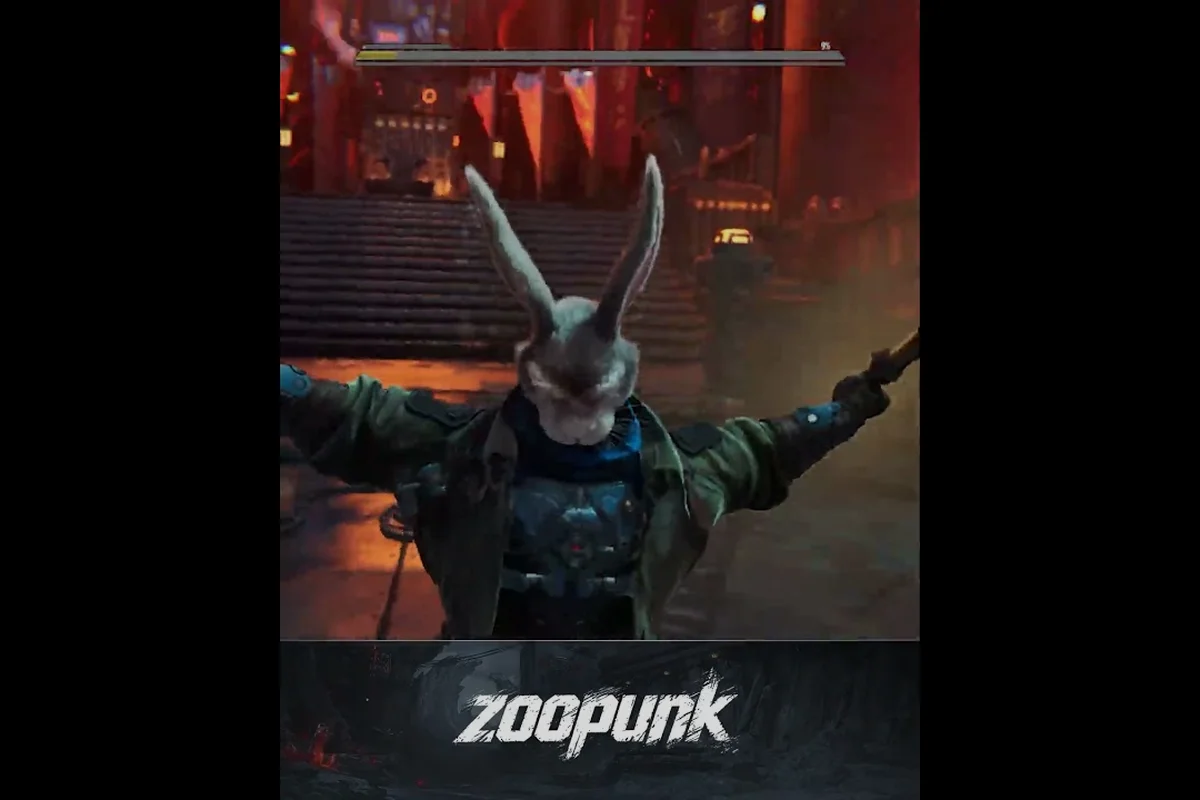
Zoopunk Tag Team Combat: Combos, Staggers, and Ultimates
Chain devastating Zoopunk tag team combat combos with assist call-ins. Master special moves, break meters, and ultimate attacks to dominate the mechanoid horde.
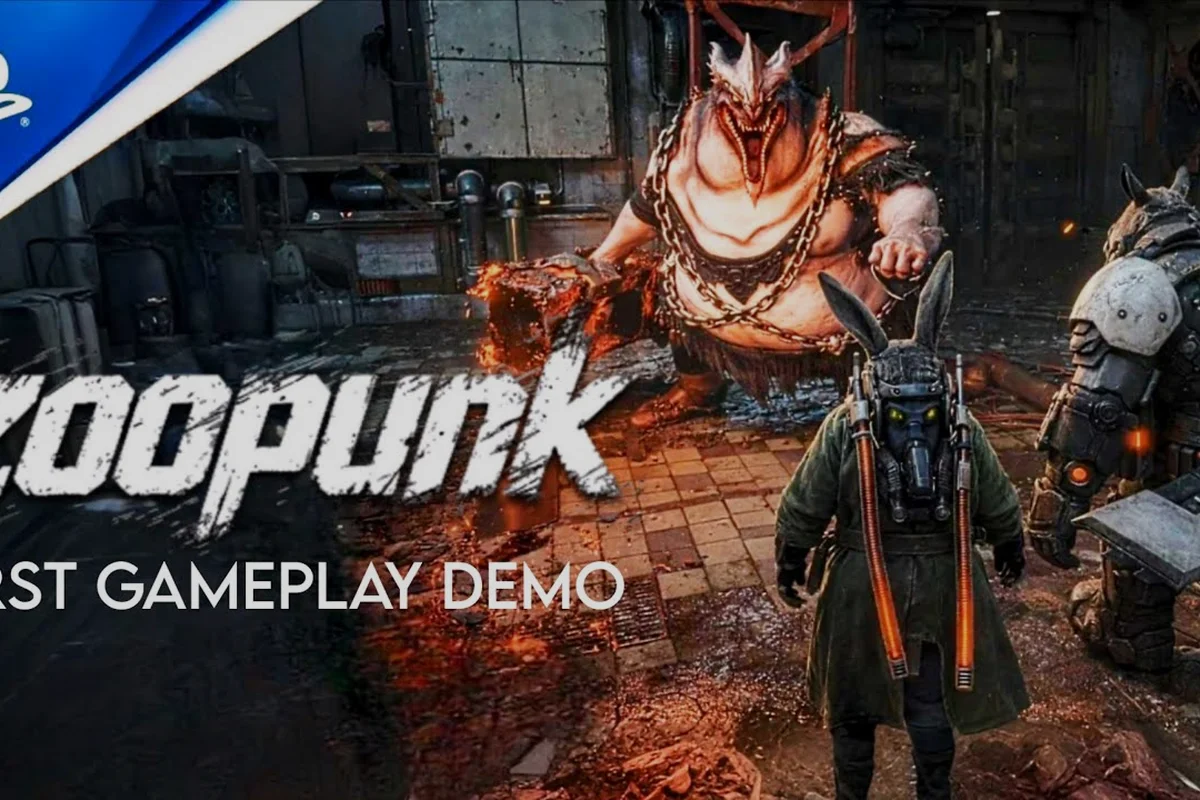
Zoopunk Animation Canceling: Frame Tricks for Fluid Combos
Master Zoopunk animation canceling for smoother combos. Learn dash interrupts, swap cancels, and frame tricks that keep your squad pressure constant.
All Articles
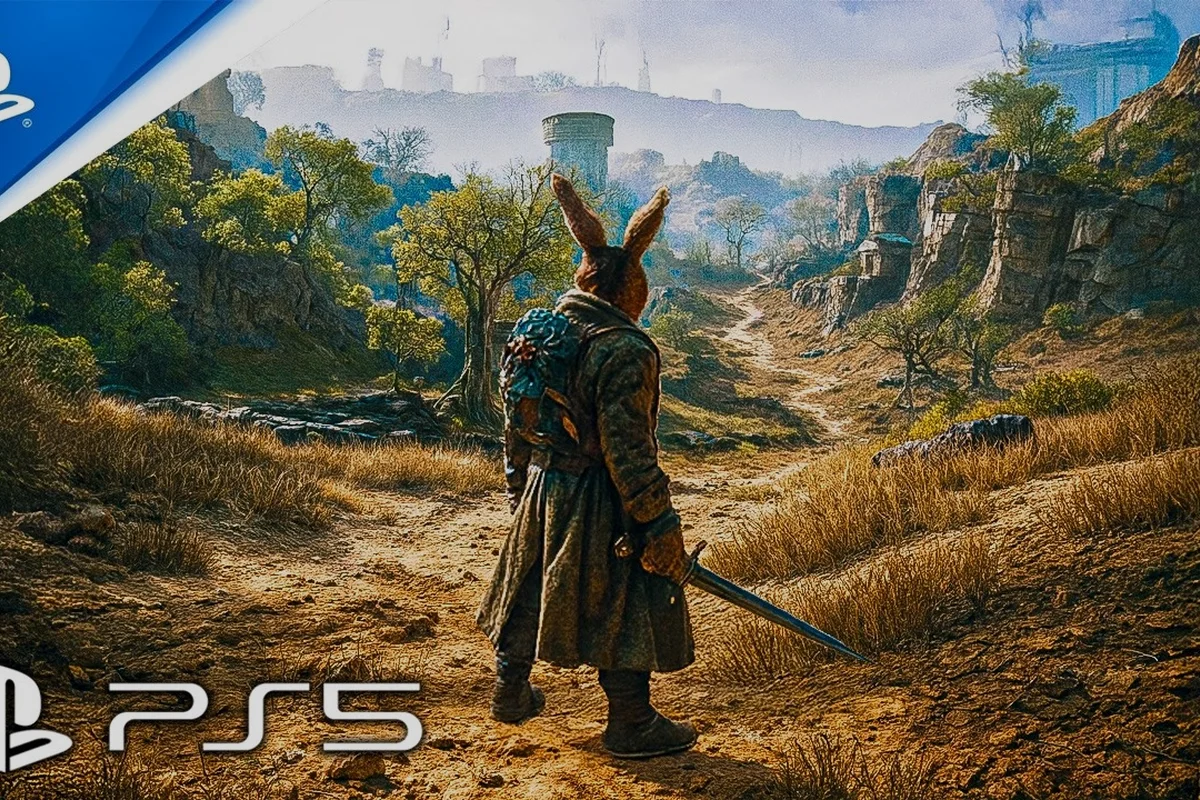
Zoopunk Combat System: Squad Brawler Mechanics Explained
Learn the Zoopunk combat system inside out: whip crowd control, fist staggers, and aerial strikes. See how hero switching fuels squad-based co-op PVE battles.

Zoopunk Elemental Damage: Fire Seed & Electric Tech
Understand Zoopunk elemental damage and energy effects in combat. Learn fire seed bursts, tech discharges, and how damage types may shape squad builds.
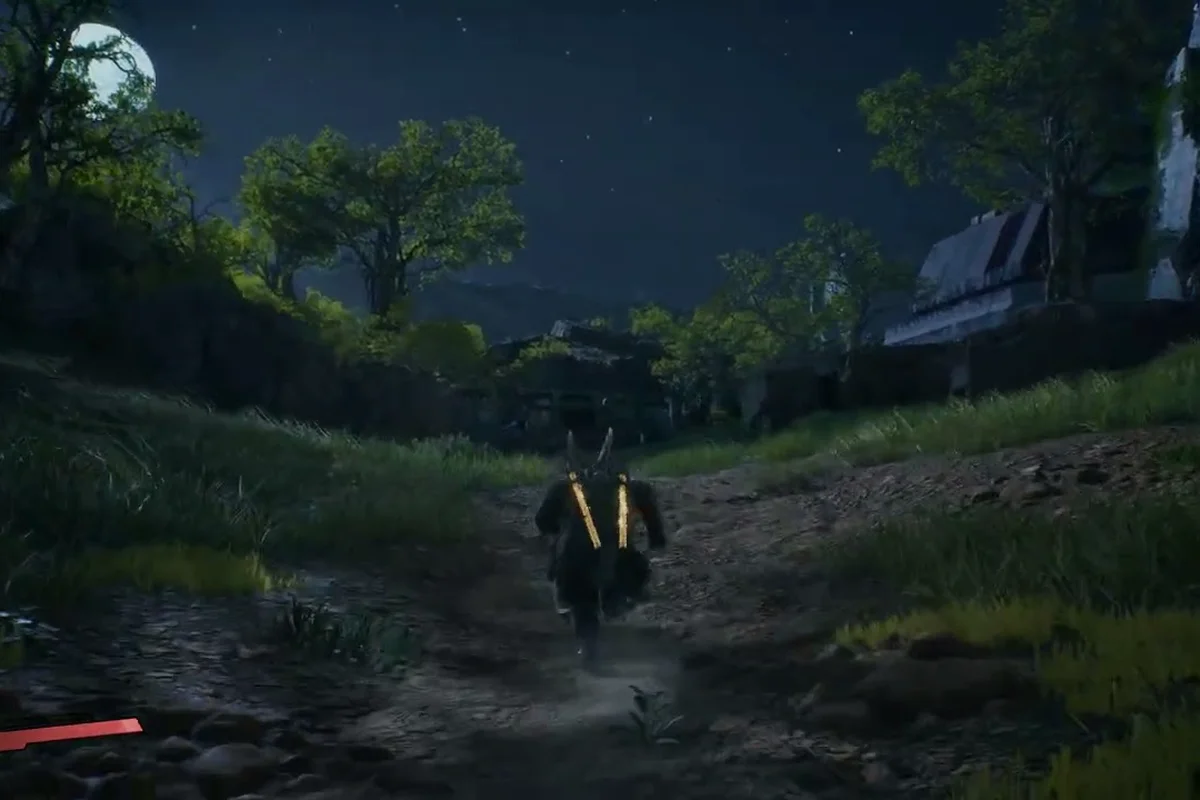
Zoopunk Whip Combat Guide: Rayton Twin Whips Mastery Tips
Master Zoopunk whip combat with Rayton's twin whips, learning sweep arcs, mid-range pulls, and parry snap transitions. Pre-F.I.S.T. details inside.
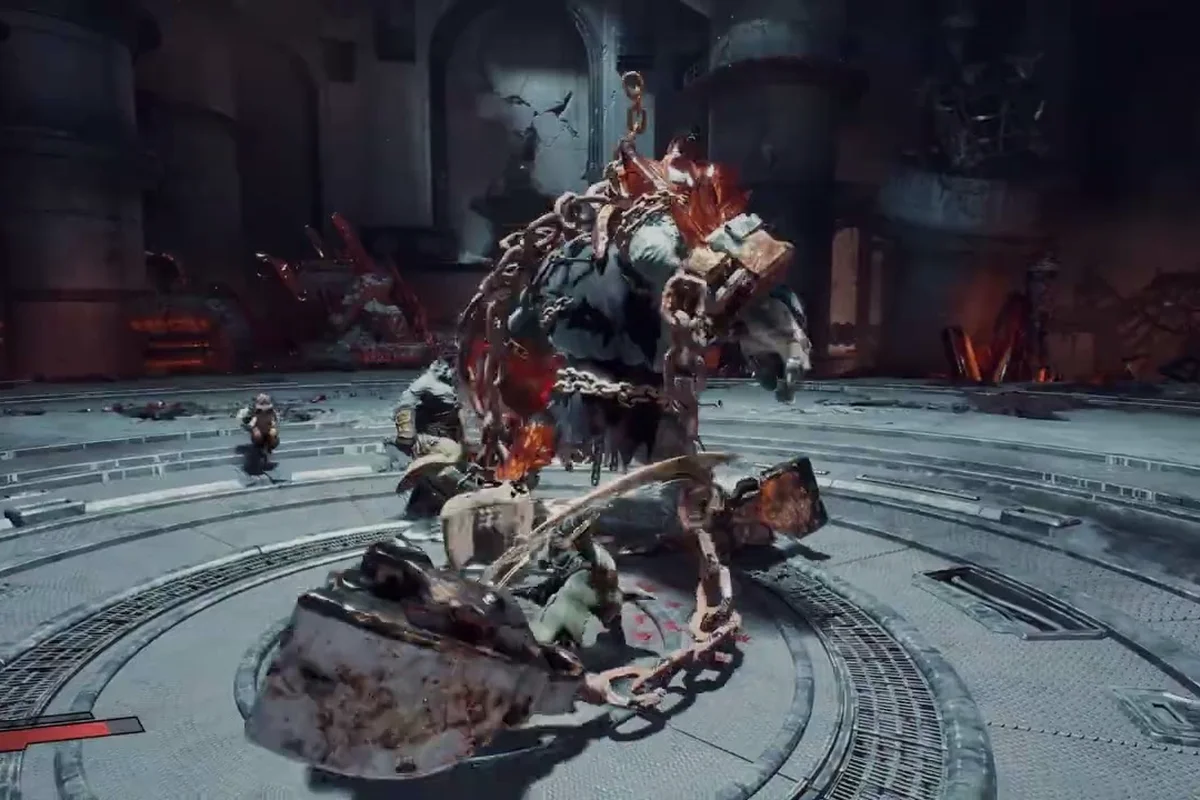
Zoopunk Boss Patterns: War Machine Phases and Weak Points
Learn Zoopunk boss patterns for war machine encounters. Study phase loops, weak-point windows, and stagger tactics before you face the mech empire.